
National Food Safety Month is here, and this year, the timing feels less like a calendar formality and more like a nudge. Consider this your sign to take a lap through the back of house, because the tools sitting on your prep line say a lot about how seriously your kitchen takes safety.
Here’s what’s worth putting on your radar this month, and honestly, keeping there all year.
Give Greens a Fighting Chance
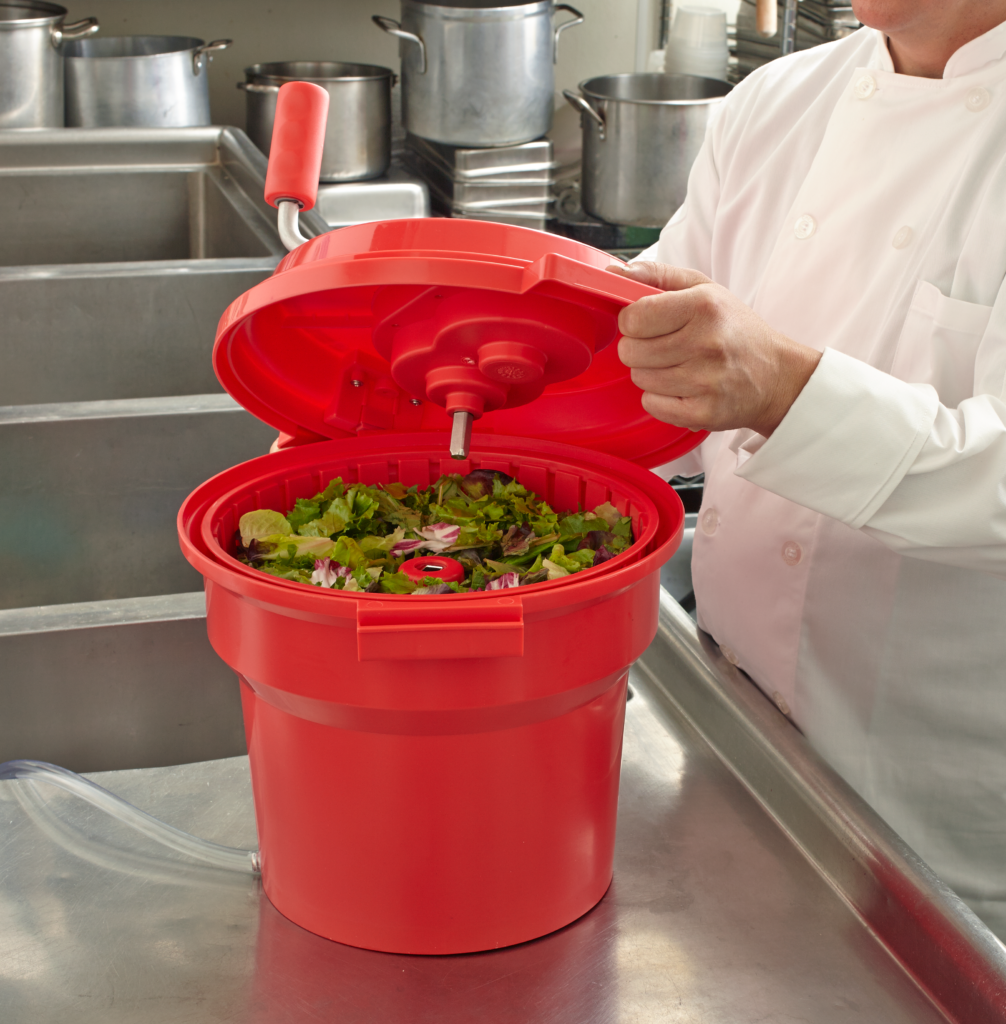
Let’s start with produce. A thorough rinse-and-dry routine is one of the simplest things a kitchen can actually control— and a commercial-grade salad spinner from Chef Master makes it effortless to do it right, every batch, every shift, no shortcuts. Soggy greens hold onto whatever’s on their surface, wilt faster, and slow down your line. A dedicated spinner turns “we really should rinse that more carefully” into a five-second habit nobody skips; crisp, dry, ready-to-serve greens, without the guesswork.
Keep Temperatures Honest with CDN
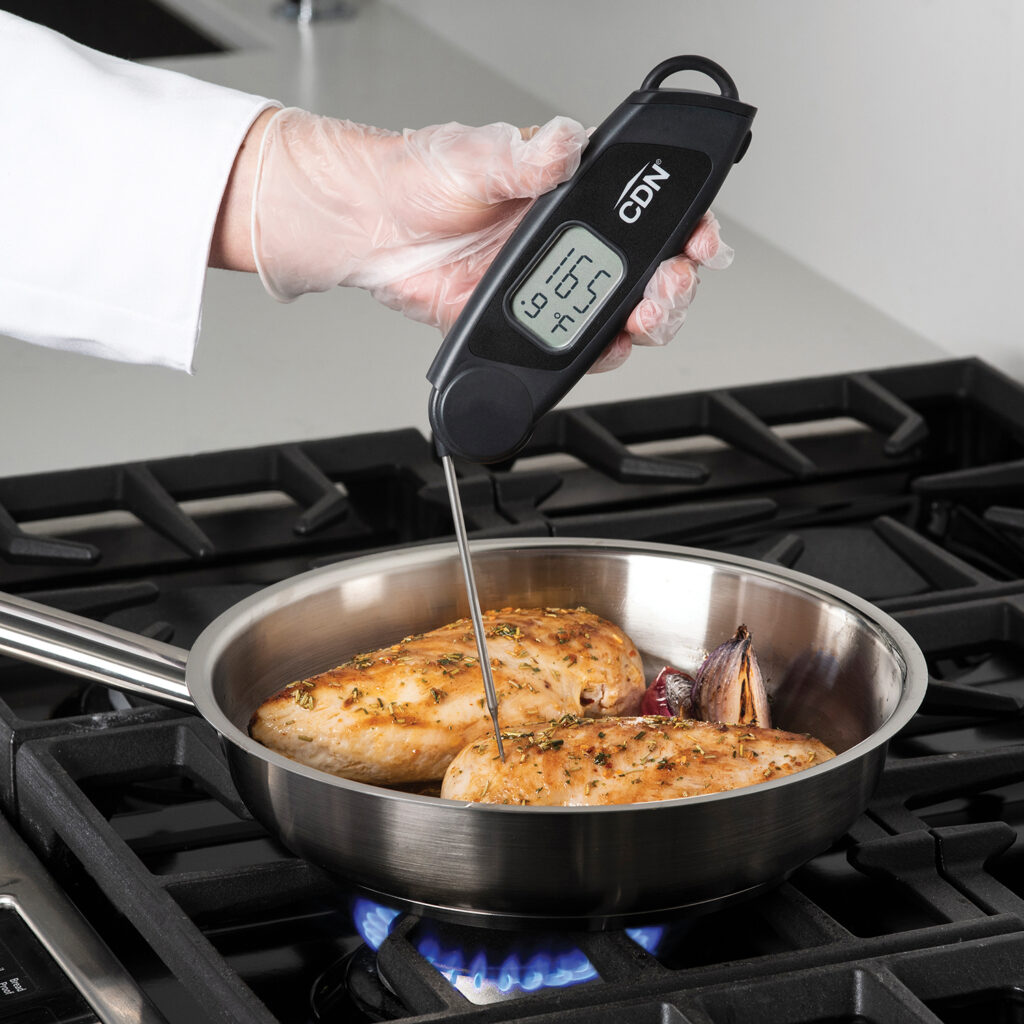
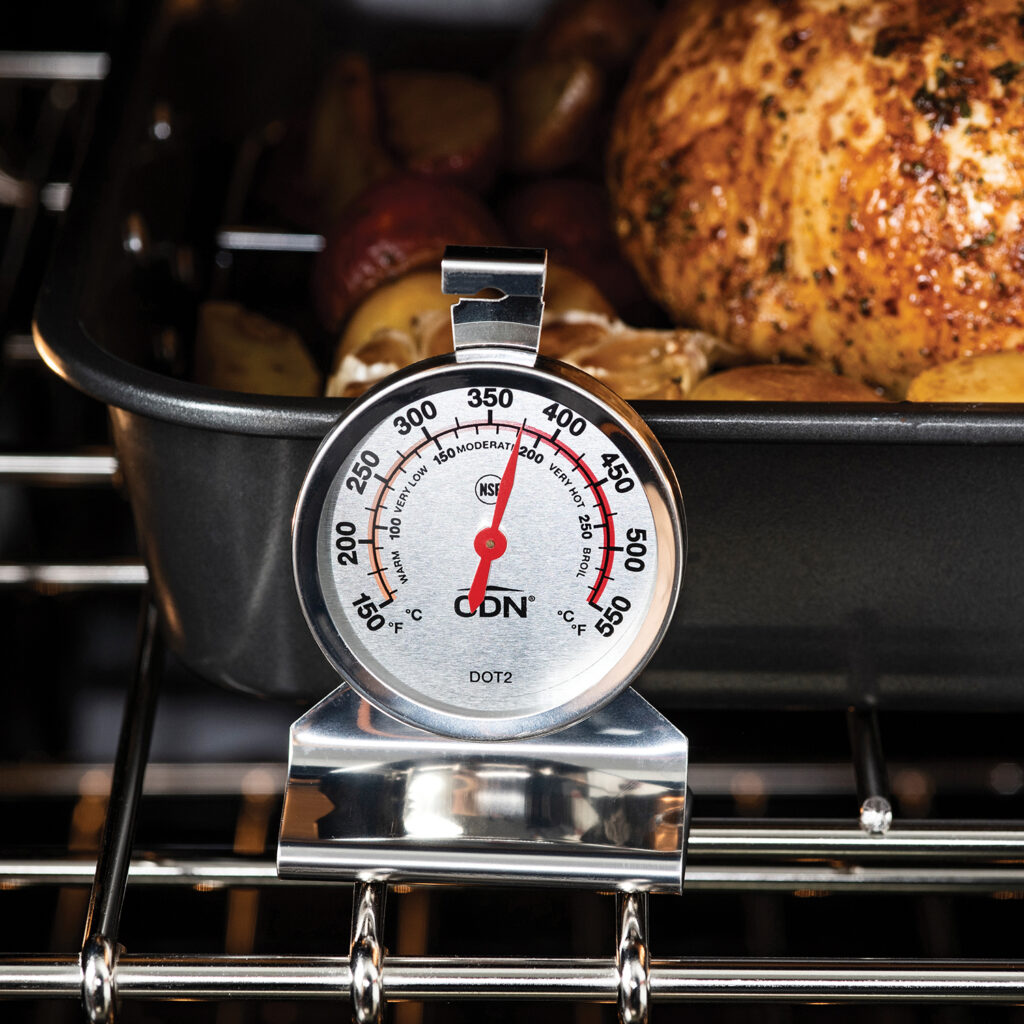
Cooking, holding, and cooling temps are the backbone of any food safety program, and they’re only as reliable as the thermometer reading them. CDN is the brand chefs trust for a reason, with a full lineup of NSF-certified digital thermometers and timers. But even the best thermometer can drift after a hard drop or a few years of daily use. A quick field calibration with an ice slurry— crushed ice, a splash of water, and three minutes to keep your danger-zone readings honest. It’s a small habit that quietly protects a much bigger reputation.
Let Color Do the Talking: HACCP Coding
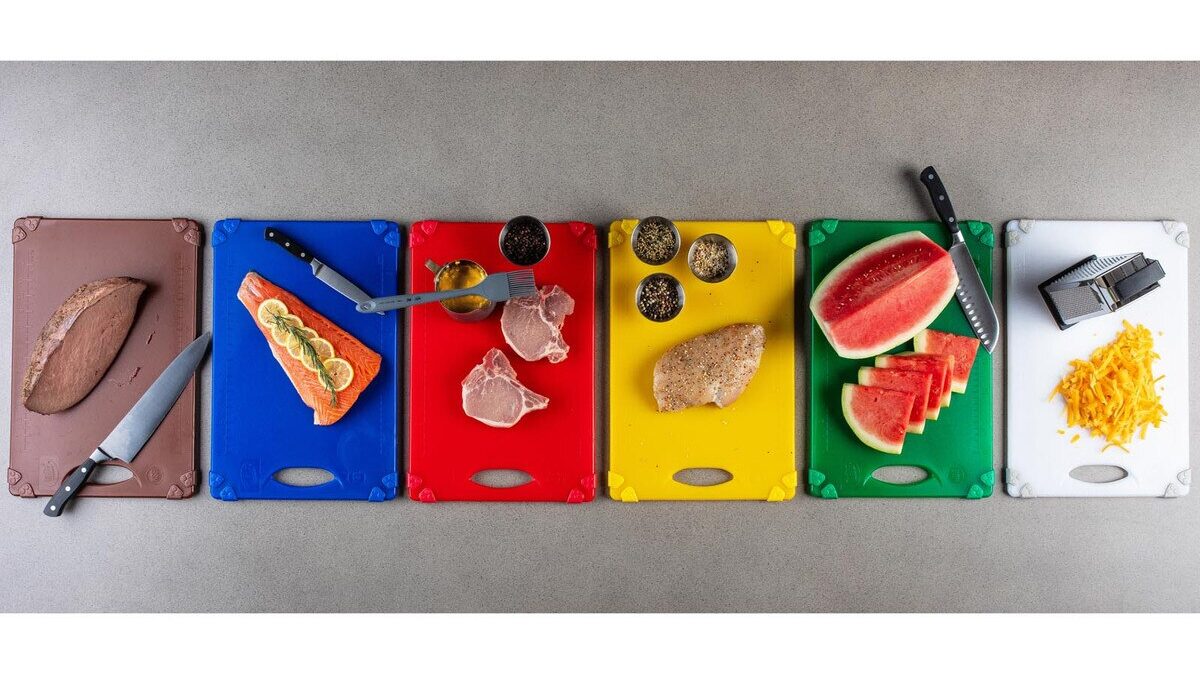
If your kitchen isn’t color-coded yet, this is the month to start. A HACCP-based color system, assigning specific colors to proteins, produce, dairy, and allergens takes the guesswork out of cross-contamination prevention entirely. New hires pick it up in a single shift, and it kills the “wait, was this board for raw chicken?” conversation for good.
TableCraft’s color-coded cutting boards are the easiest entry points: durable, NSF-certified, and available across a full color range, so every station has a clear, visual system for what touches what. Pair them with color-coded utensils, and you’ve got a HACCP program your whole team can see, not just read about in a binder nobody opens.
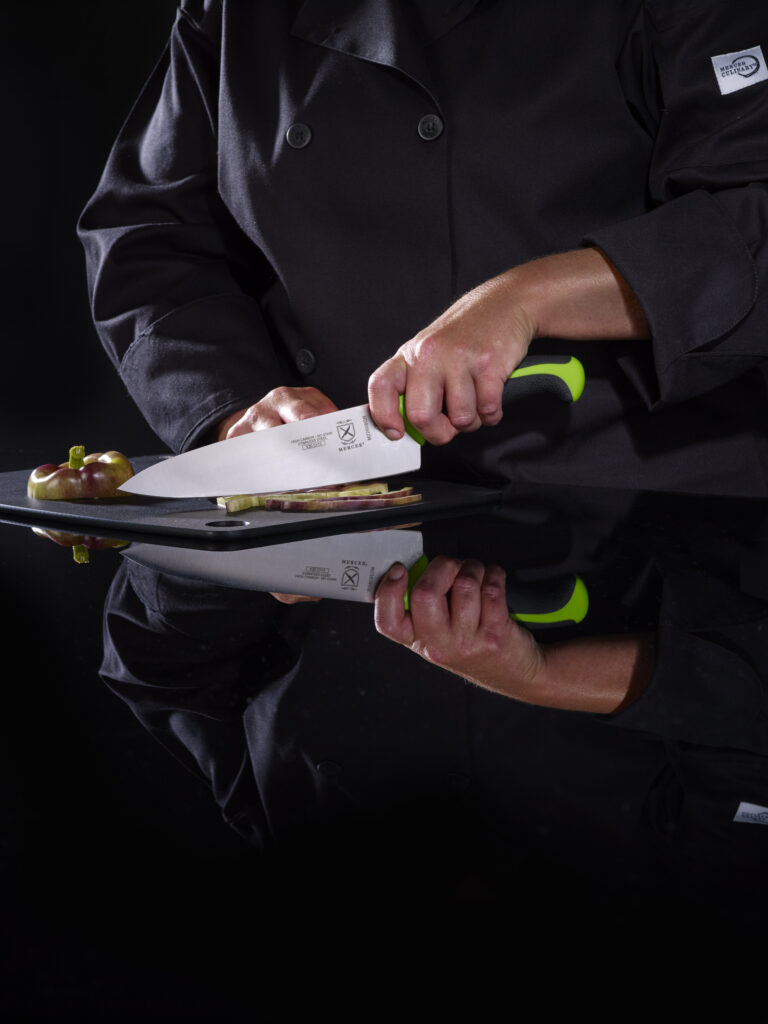
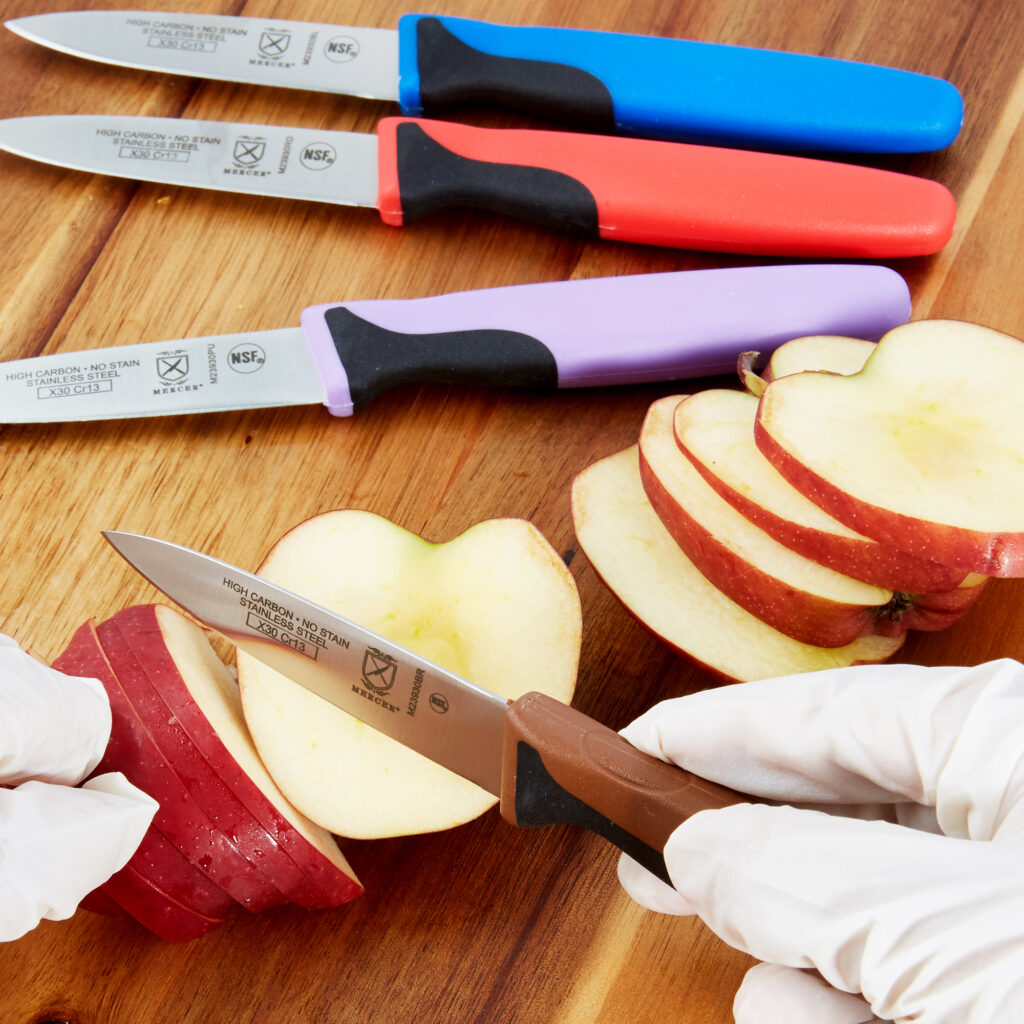
With knives being one of the most crucial items in a kitchen, health and safety protocols matter. Mercer Culinary’s Millenia Colors cutlery line extends that same color-coded logic to the blade itself, giving kitchens a matching visual system from board to knife. It’s a simple way to close a gap that’s easy to overlook when HACCP planning stops at the cutting surface.
FIFO That Actually Happens
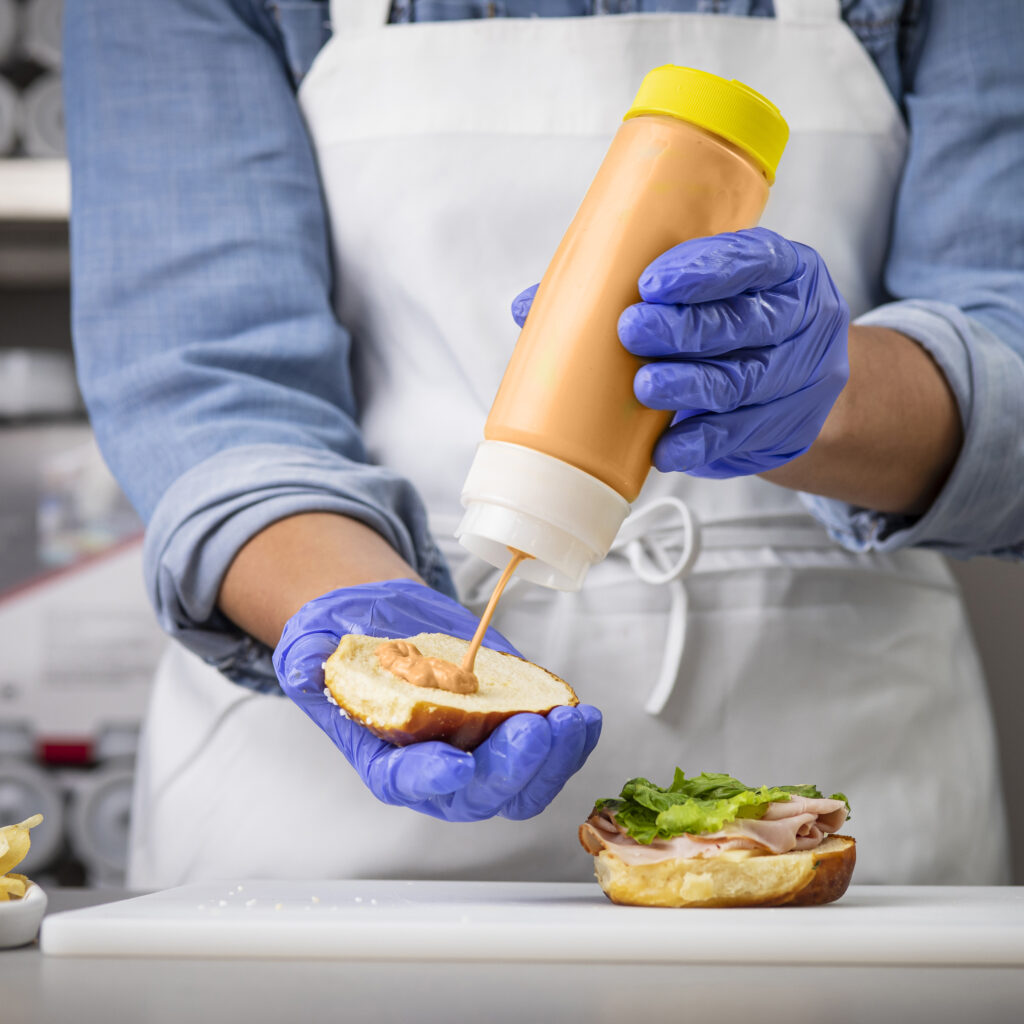
“First in, first out” sounds simple until it’s 6 p.m. on a Saturday and nobody’s rotated the squeeze bottles in a week. TableCraft’s Invertatop squeeze bottles build FIFO into the design itself, sauces load and dispense in rotation automatically. The wide-mouth openings mean the bottles get cleaned properly between refills rather than just topped off.
Allergens Deserve Their Own System
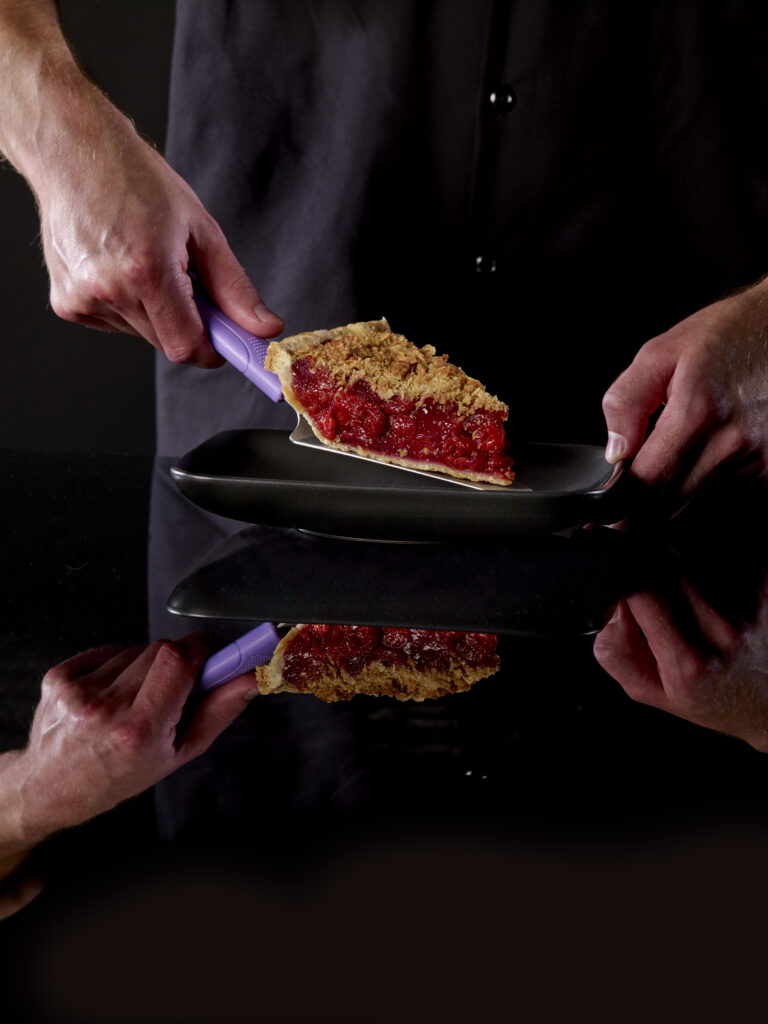
Allergen safety isn’t a footnote anymore— it’s a daily operational requirement, and guests are counting on your kitchen to take it seriously. Mercer Culinary’s Allergen Safety Set gives allergen-conscious prep its own dedicated, purple-handled tools, separate from your standard color-coded lineup, so there’s zero ambiguity about which board, spatula, or knife is allergen-safe. It’s a small visual cue that carries enormous weight with the guests trusting you with their health.
Don’t Forget the Bar and Blender Station
Cross-contamination doesn’t stop at the cutting board— it just changes location. The bar is one of the most overlooked corners of a food safety program, even though it sees just as much raw fruit, citrus, and garnish prep as the kitchen line. A cutting board tucked next to the well, wiped down with a bar towel rather than properly sanitized, is exactly the kind of small habit that can undo an otherwise solid HACCP system.
That’s where Mercer Culinary’s Board & Bar Buddyz earns its keep. The non-skid, food-grade silicone holders keep boards steady on any surface, are color-coded by size for quick identification, and replace the damp bar towel a lot of bars still rely on to keep a board from sliding around. It’s a small fix for a real gap— one more way to ensure citrus and garnish prep gets the same segregation as anything else cut in the kitchen.
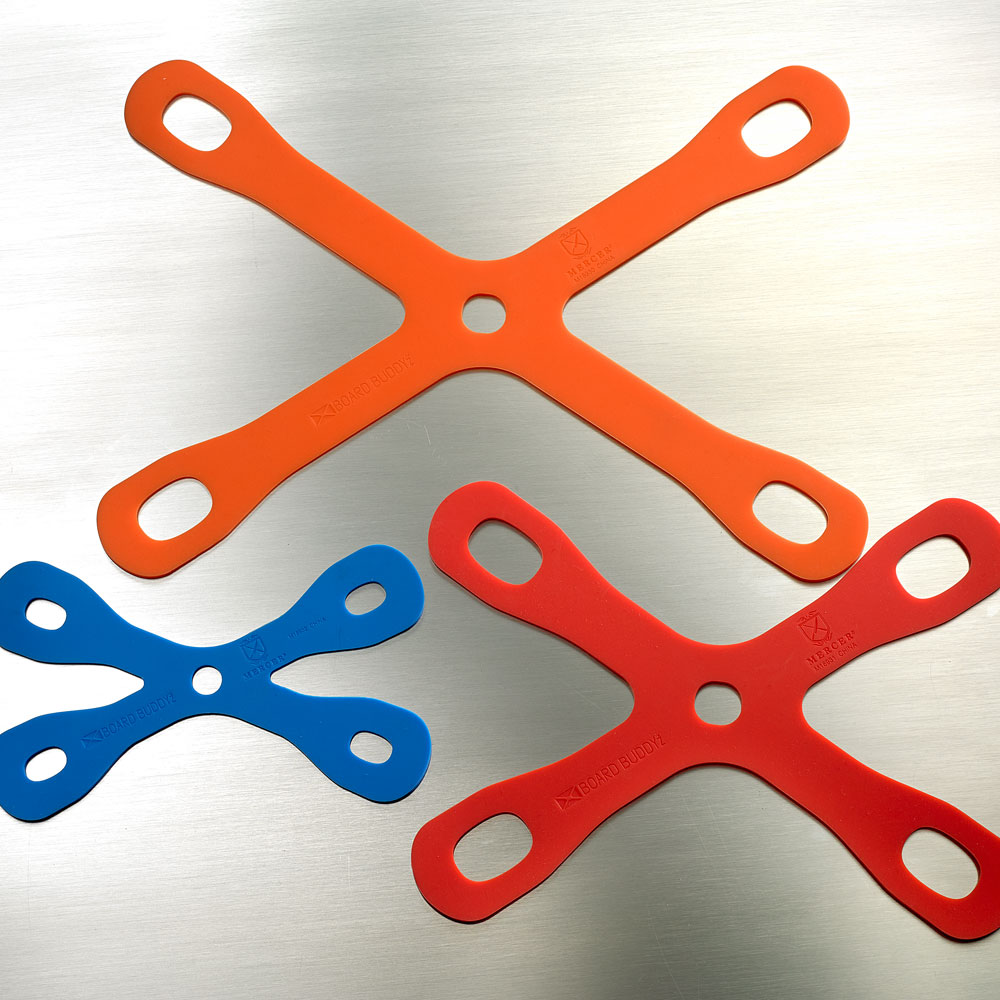
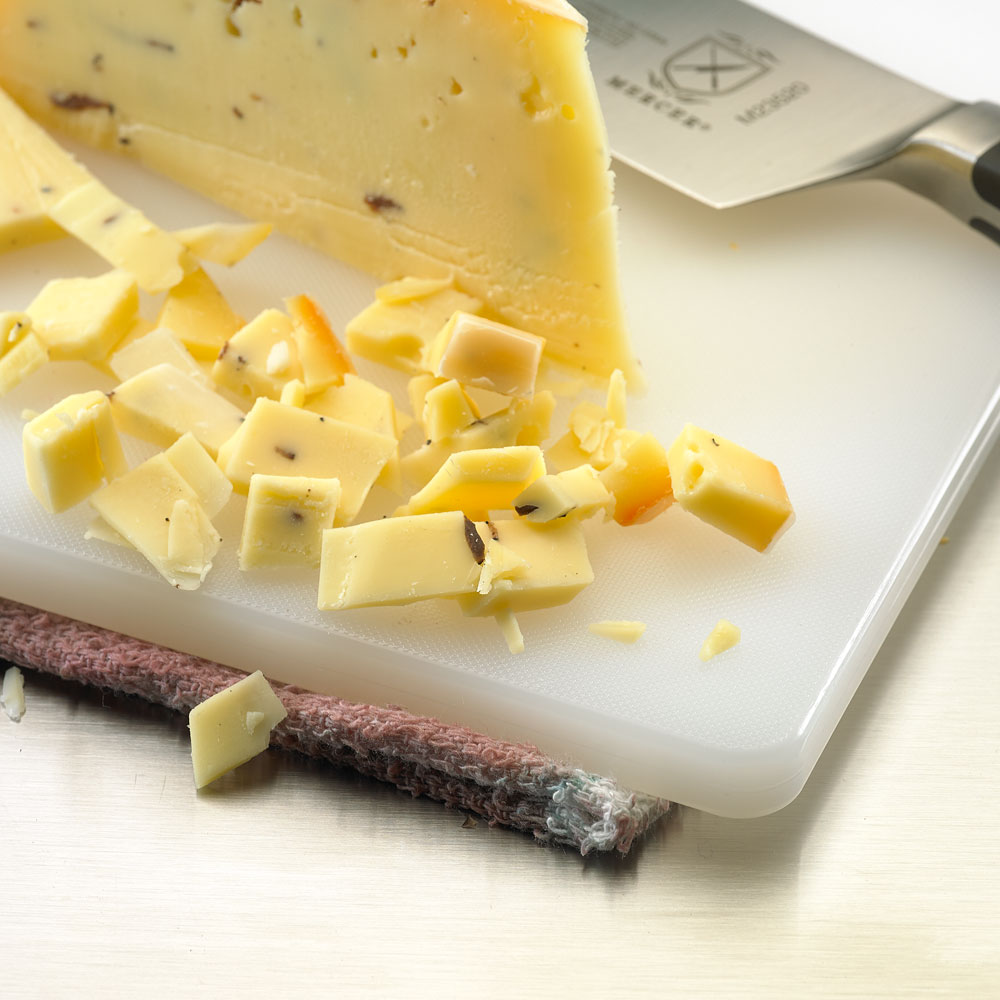
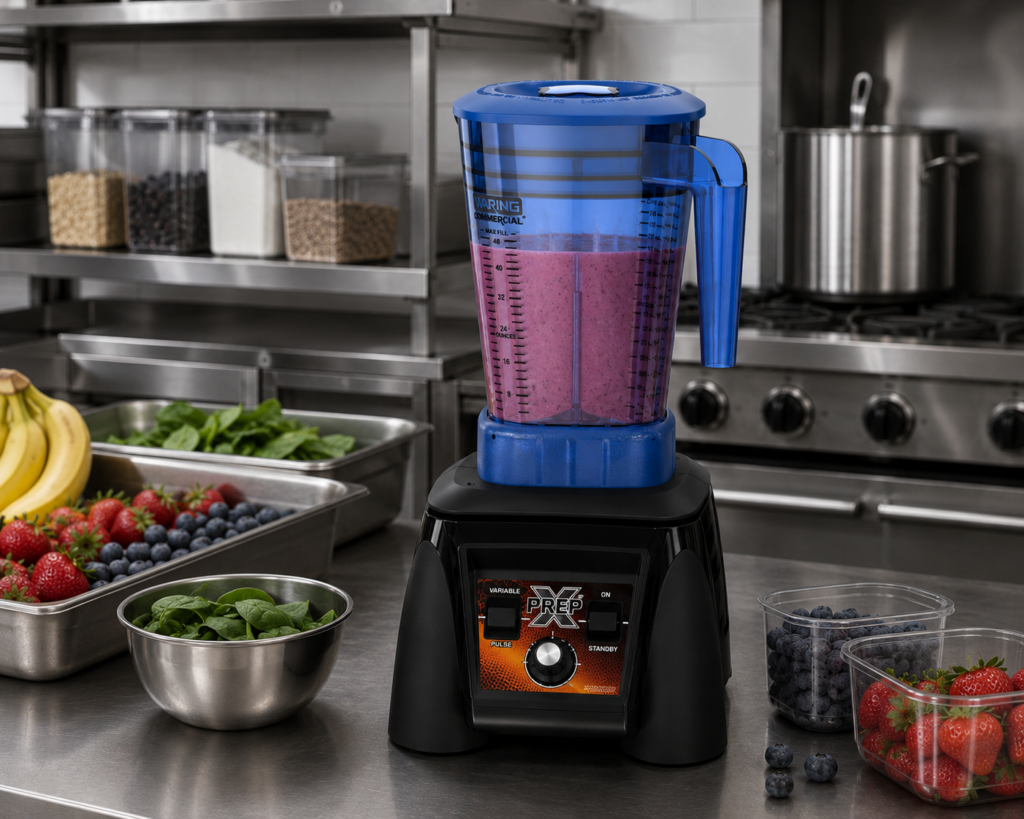
Pair that with Waring MXBlender jars, available in allergen-designated and color-coded options, and the same HACCP logic carries straight through to the blending and beverage program. Between the board, the holder, and the jar, there’s no link in the chain left unaccounted for.
The Bottom Line
Food safety isn’t a once-a-year checklist; it’s the thing guests are quietly judging you on every single time they sit down. It consistently ranks among the top factors people weigh when choosing where to eat, and the operations that treat it as a system, not an afterthought, are the ones earning repeat business.
So, this September: calibrate the thermometers. Check the color coding. Give the greens a real rinse and a real spin. Small habits, consistently applied, are what keep kitchens— and reputations— safe.